


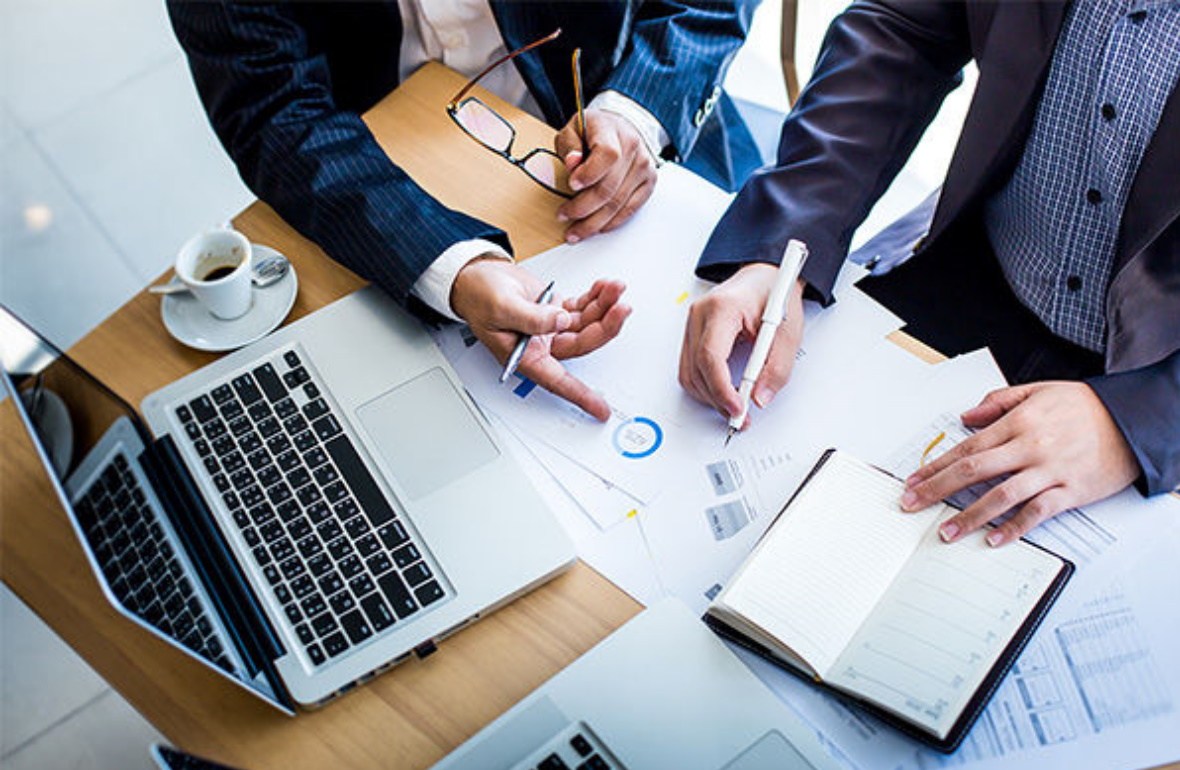
Ideally, a meaningful combination of agile and traditional methodsemerges. A certain level of planning is essential and provides stability. At the same time, every project needs flexibility to respond to new or changing requirements. A rough structure — similar to the waterfall model — helps provide orientation: everyone involved knows which steps are expected at roughly which time.
Especially in larger projects, adjustments are common. This is where Change requestshelp introduce modifications in a controlled and traceable way. The decisive factor is always the comparison between the current (IST) and the target (SOLL) state.
Regardless of the chosen method, one principle applies to every project: Communication is key.
Addition: Successful project management requires more than methods
Methods are important — but they are not everything. Successful project management also means:
- clear roles and responsibilities
- realistic resource planning
- transparent decision‑making paths
- regular feedback loops
- a shared understanding of goals
A neutral external perspective is particularly valuable. External project managers can defuse conflicts, clarify priorities, and ensure that the project not only “runs” but actually delivers resultsthat benefit the company in the long term.
For this reason, we offer not only consulting but also complete, professional project management — from planning and steering to successful implementation.